
Mechanically Speaking: How Clutch & Flex Fans Work
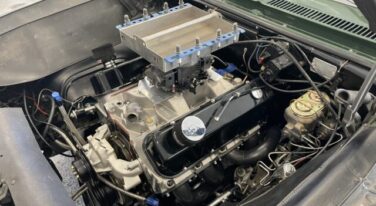
In the hypothetical world, a fan wouldn’t be required if your car was constantly driven at high speeds (definitely an interesting concept, but not too practical).
From building high-performance engines to perfecting your paint job, our Top How-To Stories of 2024 showcase the most popular and practical guides of the year.
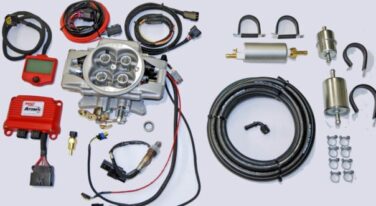
When we last left you, we were deep into the workings of MSD’s entry level Atomic EFI. If you recall, we showed how simple the system is to work with, and how easy it is to install.
EFI has been around for decades in production line cars and it’s been available over the counter as a retro fit for considerable time, but there are still plenty of us out there who are spooked by the systems and we tend to stick to carbs.
When you add an electrical part to your car (race car, street rod, street-strip car, whatever) such as an electric fan, an electric fuel pump or whatever, there’s almost always a need to splice in a switch. Easy enough. You should be able to go down to your local auto parts store and buy a switch. That’s a no brainer. Right? Maybe not:
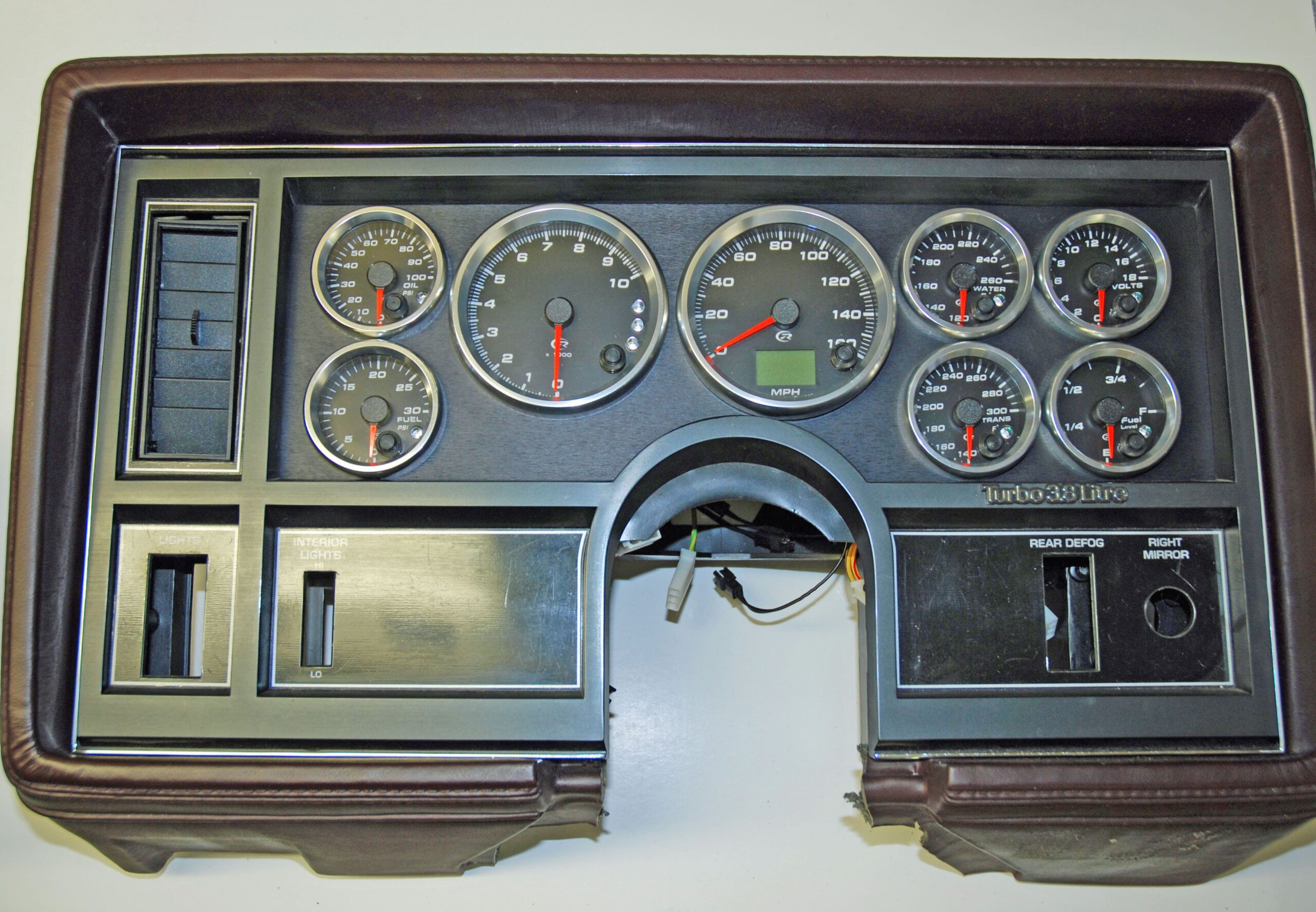
Part 2 of Wayne Scraba’s series on instrument technology continues to examine the stepper motor options, using Speed Hut as an example.
Part 1 of Wayne Scraba’s series on what to look for in aftermarket gauges.
With many of us starting up projects during the pandemic, much time was spent in our garages wrenching the nights away.
Part 2 of Wayne Scraba’s Roll Control Series focuses on mounting and plumbing the valve for maximum performance.
The roll control can make the difference between a smooth exit off of staging and a spin out. This two part series covers roll control options to put control back in the driver’s hands at the starting line.